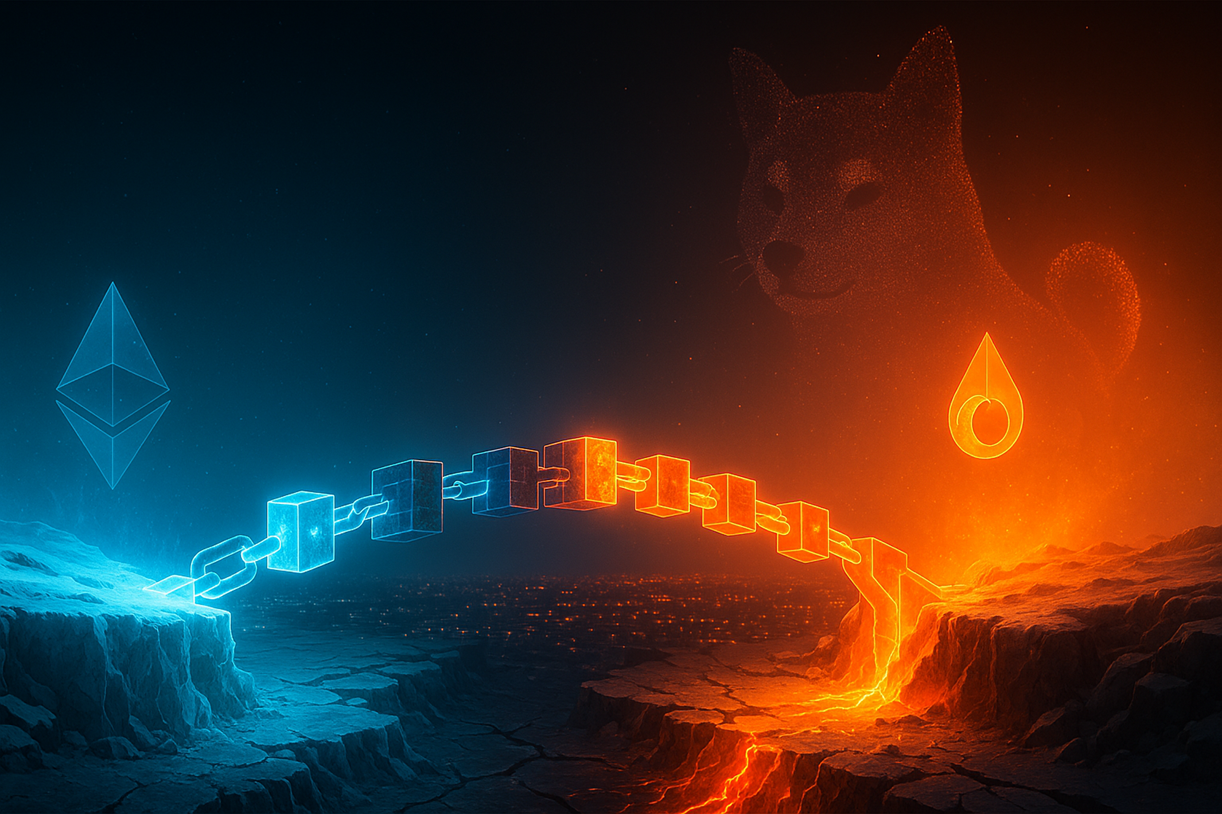

After a month-long outage due to a security incident, Shiba Inu has restored BONE transfers on Shibarium’s Plasma Bridge, re-enabling deposits and withdrawals between Ethereum and the Layer 2 network. In an Oct. 14 post, lead contributor Kaal Dhairya wrote, “After a comprehensive review and a series of security enhancements, BONE’s Plasma Bridge is back online,” adding that users can now bridge BONE with “a more secure, powerful, and resilient experience.”
Shiba Inu Renewal of Shiba Rium Bridge
This reboot comes after Shibarium’s bridge was restricted in mid-September following a compromise of a verification key that allowed malicious termination on the PoS bridge. “On September 12, 2025 at 18:44 UTC, the signature privileges of a rogue validator were used to push a malicious state/exit through the PoS bridge, extracting multiple assets,” Dhairya said in a September 21 incident report, prompting immediate containment measures and a broader hardening program. The team said at the time that it would release full technical details once it was safe to do so, adding: “The bridge will remain restricted during containment/hardening.”
The Sybarium team positions the reopened BONE Bridge as the first step in a gradual service restoration backed by new policy levels and operational controls. The most visible change for users is the introduction of a mandatory delay before withdrawals can be completed. “All BONE Plasma withdrawals now include a seven-day completion delay. This buffer gives operators and security teams time to monitor and respond to anomalous activity before funds are completed. This significantly improves defenses without removing user access.” The post claims that the delay strengthens Plasma’s anti-fraud guarantees.
Another control introduced at the bridge layer is proactive address blacklisting. The team says this new mechanism “allows suspicious addresses to be flagged and blocked at the bridge layer” with the goal of preventing repeat abuse across the ecosystem. The Shiba Inu team also emphasized that significant code changes underwent external review. “All significant changes were reviewed by Hexens, adding an independent layer of expert oversight.” The reboot followed a validation sequence that included unit testing, end-to-end simulation, deployment on a public testnet (“Puppynet”), and “multi-timeframe” monitoring prior to production activation.
The October 14th update also addresses another part of the September incident regarding KNINE and minor OSCAR token flows. The Shiba Inu team revealed that the attackers “exfiltrated approximately $600 worth of OSCAR tokens from the bridge and sold them, but ignored a 5ETH recovery offer for KNINE tokens.” KNINE tokens remain blacklisted and cannot be used by attackers. The team stated that the previously announced KNINE bounty has “expired,” but they are planning a “last conditional bounty (amount to be determined) for the complete return of all KNINE held by attacker-controlled addresses,” stressing that partial returns are not eligible and the terms will only be visible on verified channels.
BONE is currently the only plasma bridge operating, but Shibarium has laid out a broader roadmap. The team is planning a “phased revalidation of other tokens” and is “finalizing a fair and transparent repayment framework for affected users”, with details to be published as soon as they become available without increasing risk. The post emphasized its cautious stance after the September security breach, saying, “Safety first: While security work is ongoing, we will not release details that could be exploited. Expect careful and verifiable updates.”
The situation surrounding the month-long outage highlights the extent of the behind-the-scenes repairs. In late September, Shibarium detailed validator signer rotation, moving contract management to multi-party hardware storage, targeted contract-level protections, live monitoring and exchange coordination, and the involvement of independent security and incident response experts. The September 21st update also acknowledged the shortcomings of decentralization in validator operations and outlined plans for enhancements “with ongoing collaboration with Hexens” to restore recovery based on third-party approvals and successful training in test environments.
For now, the resumption restores the critical path for validators, liquidity providers, and users who rely on BONE mobility between Ethereum and Sybarium. In conclusion to this post, new safety measures, including blacklists and a 7-day challenge window, aim to align the bridge user experience with the practical realities of operating plasma-style systems under hostile conditions. “All the new safety measures, all the additional checks, and yes, even the seven-day delay, reflect one fundamental principle: protecting our community.”
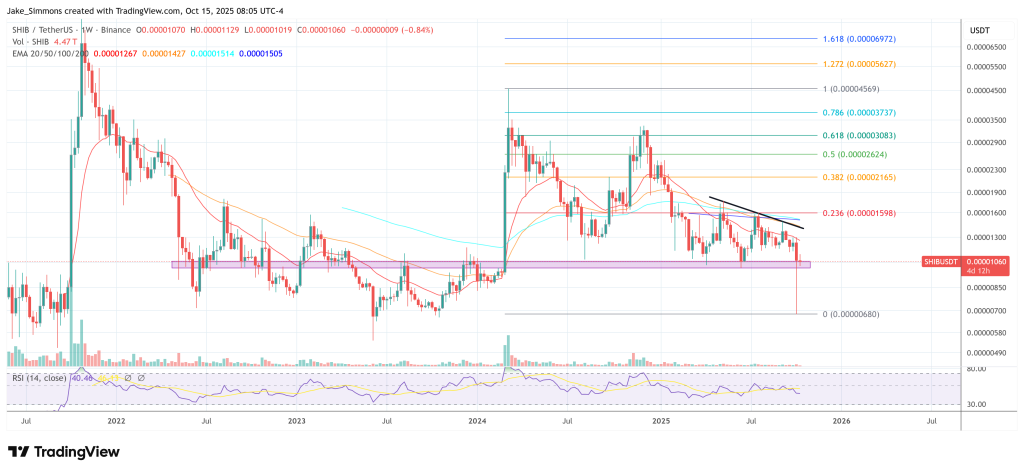
At the time of writing, Shiba Inu (SHIB) token was trading at $0.00001060.
Featured image created with DALL.E, chart on TradingView.com
editing process for bitcoinist is focused on providing thoroughly researched, accurate, and unbiased content. We adhere to strict sourcing standards, and each page is carefully reviewed by our team of top technology experts and experienced editors. This process ensures the integrity, relevance, and value of your content to your readers.