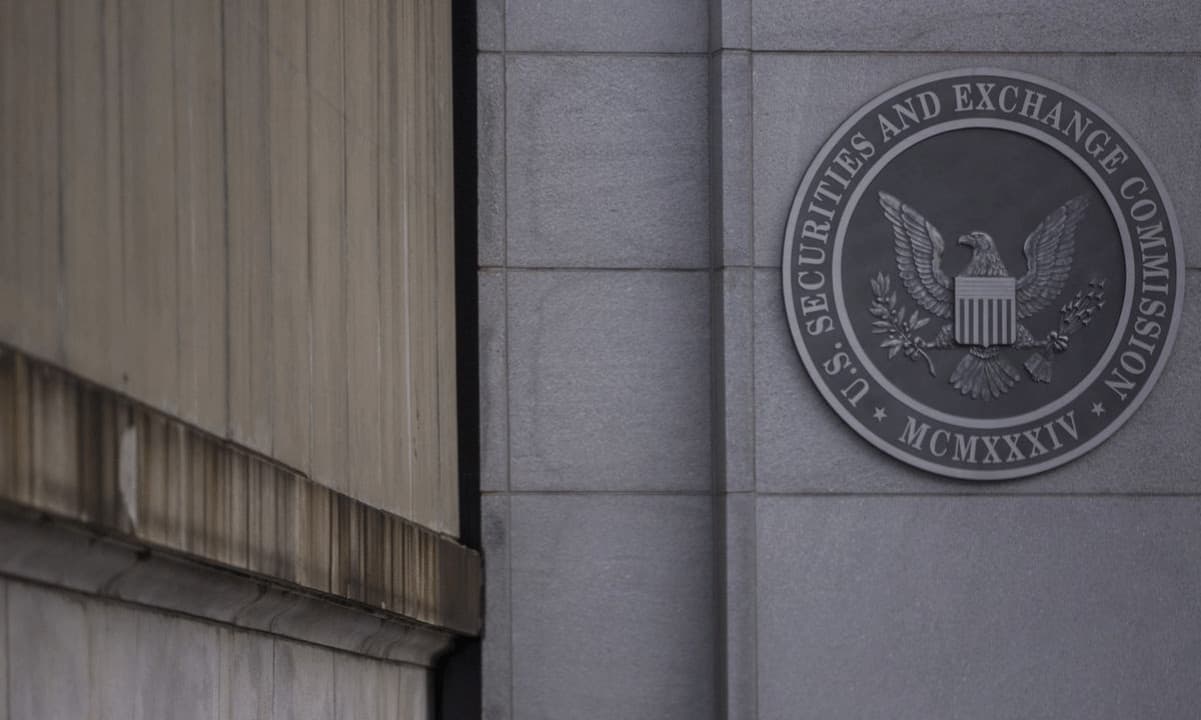
Digital goods, collectibles, and utility tokens are exempt from SEC oversight under Project Crypto.
U.S. Securities and Exchange Commission (SEC) Chairman Paul Atkins detailed the next steps for Project Crypto, which outlines how digital assets will be regulated under federal securities laws.
This effort builds on work led by Secretary Hester Peirce and the Crypto Task Force, which focuses on the transparency and economically fair treatment of cryptocurrencies.
SEC clarifies which tokens are not securities
In a recent talk, Atkins spoke about the uncertainty surrounding the classification of cryptocurrencies over the past decade, explaining that much of it is due to the changing nature of digital assets. He said virtual currencies that are part of investment contracts based on the Howie test do not become securities forever, as such contracts can be terminated. “I believe that most crypto tokens being traded today are not securities per se,” he said.
The new framework is based on a proposed token taxonomy that categorizes cryptocurrencies by functionality and buyer expectations. Under this approach, digital goods or network tokens are not classified as securities. Similarly, digital collectibles such as NFTs are also excluded from this category because the purchaser does not expect to benefit from the business efforts of others.
Digital tools that serve utilitarian purposes, such as membership, ticket, credential, and identity verification, are also exempt from SEC oversight. On the other hand, tokenized securities will continue to be regulated as securities.
Atkins further discussed the application of the Howie test, which specifies that investment contracts involve putting money into a common enterprise with the expectation of benefiting from the efforts of others. He said that if the issuer performs, fails to perform or terminates its management commitments, the tokens may continue to trade without being considered securities.
The initiative also includes plans for exemptions and special offers for digital assets tied to investment contracts. The SEC will work with Congress, the Commodity Futures Trading Commission (CFTC), banking regulators, and other stakeholders to create a regulatory environment that supports innovation while preserving investor protection.
You may also like:
Fraud will continue to be subject to enforcement, and anti-fraud provisions will apply even to tokens that are no longer classified as securities.
Shift to digital assets
First launched in July 2025, Project Crypto aims to provide clarity, fairness, and integrity to developers, investors, and intermediaries. The initiative, led by Atkins and Peirce, was launched to differentiate between securities and other digital assets.
This week is proving to be extremely important for those looking for clearer rules regarding cryptocurrencies. On November 10, the Senate Agriculture Committee shared a draft plan to regulate digital asset products. On the same day, the U.S. Treasury and IRS released guidance allowing staking in crypto ETPs and passing staking rewards to retail investors.
Secret partnership bonus for CryptoPotato readers: Use this link to register and unlock $1,500 in exclusive BingX Exchange benefits (for a limited time only).