
Important points:
- Coinbase CEO Brian Armstrong argues that Bitcoin acts as a market-driven check on inflation and deficit spending, strengthening the US dollar.
- Rising US debt and persistent inflationary pressures have made Bitcoin a parallel financial benchmark rather than a direct threat to the dominance of the US dollar.
- If Bitcoin, stablecoins, and the dollar coexist, they have the potential to reshape global financial discipline without weakening the United States’ status as a reserve currency.
Bitcoin’s role in the global financial system continues to spark debate, especially as macroeconomic risks increase. This time, we’ll be hearing directly from the top leaders of the US cryptocurrency industry. Coinbase CEO Brian Armstrong said Bitcoin will not undermine the US dollar. Rather, it helps protect it.
Read more: Coinbase teases major system update set for December 17th, sparking widespread crypto speculation
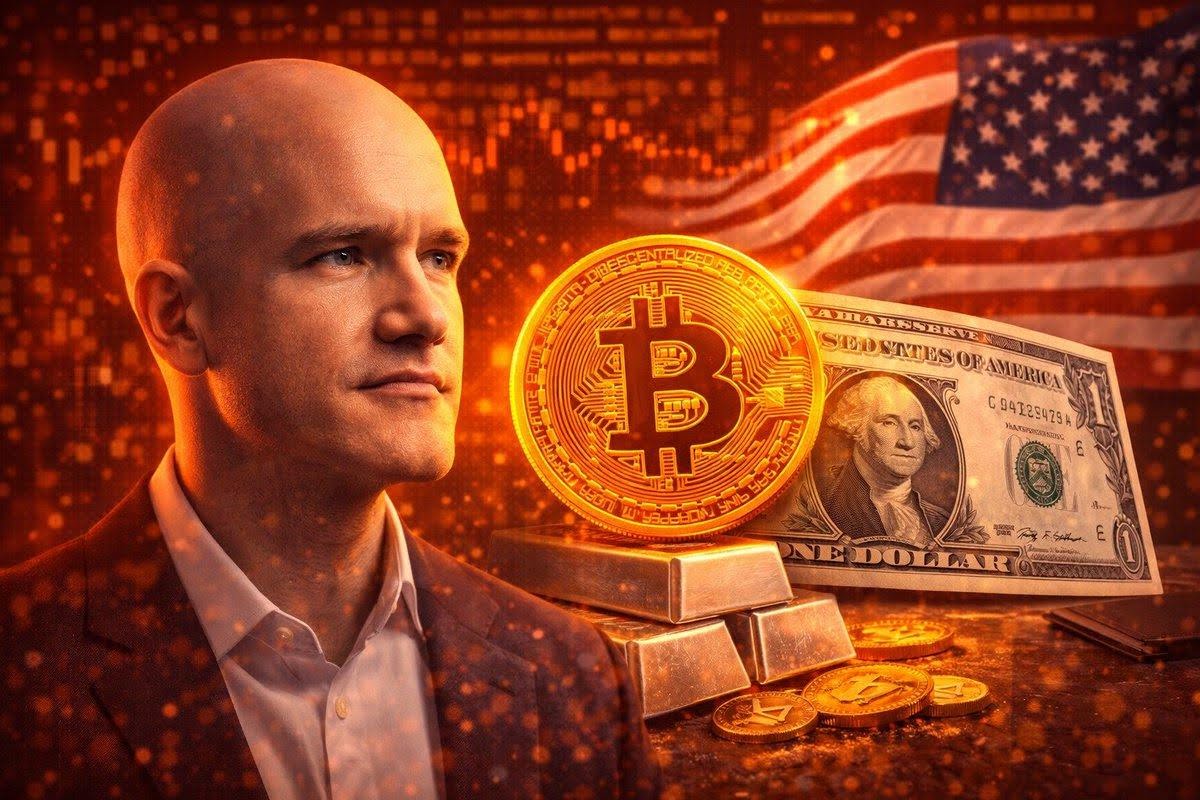
Bitcoin as a market check on inflation and debt
in Recent posts about XBrian Armstrong said: “Bitcoin is good for the US dollar.” This is because it introduces competition that puts pressure on governments to maintain fiscal discipline. Armstrong said Bitcoin acts as an external benchmark that limits how far inflation and deficit spending can go before market confidence is lost.
This framework challenges the long-held theory that Bitcoin threatens fiat currencies. Armstrong argues the opposite. When inflation rises too quickly or public debt grows unchecked, capital looks for alternatives. Bitcoin has become a visible exit option, and policymakers need to consider the market impact sooner.
The United States faces historically high debt levels. U.S. government debt has skyrocketed in the past 37 trillion dollarsincreasing by billions of dollars every day. Continued deficit spending raises concerns about long-term purchasing power and confidence in the dollar. In this context, Bitcoin acts as a pressure valve rather than a substitute.
Instead of waiting for a currency crisis, investors can hedge against inflation risk through Bitcoin. Armstrong suggests that these dynamics encourage better financial behavior.
Read more: Coinbase launches new token sales platform to power next wave of crypto projects

Why Bitcoin won’t replace the dollar
Armstrong does not claim that Bitcoin will replace the dollar as the world’s reserve currency. He argues that Bitcoin’s presence promotes moderation and does not eliminate the dollar’s central place in global trade, finance and bond markets.
The US dollar remains firmly entrenched in global trade, energy prices, government bond holdings, and international lending. No other asset has such a deep liquidity pool and institutional infrastructure like Bitcoin.
Bitcoin has a different role
It is a neutral and scarce resource that reacts instantly to macro signals. Demand for Bitcoin tends to increase when inflation expectations rise or confidence declines. Feedback loops send a very clear message to policymakers and central banks.
This stance taken by Armstrong is one of the major changes in the perception of Bitcoin. Instead of a parallel currency that works in direct opposition to fiat currencies, Bitcoin is now seen as a macro-hedging and accountability tool.
Concerns about debt, inflation, and Bitcoin expansion
Increased debt increases long-term currency risk
The increase in US debt is structural rather than a response to the crisis. Rising interest rates eat up a large portion of federal spending, limiting fiscal flexibility.
The market is paying attention
Bitcoin is becoming a popular topic among institutional investors when talking about gold as a way to protect against currency declines. This trend points to concerns about long-term purchasing power rather than short-term fluctuations.
Bitcoin has a fixed supply, making it highly vulnerable to inflation stories. Bitcoin, unlike fiat currency, cannot be printed to cover deficits or cover expenses. This lack is a key point in Armstrong’s argument.
Bitcoin adoption accelerates when there is excessive government spending. Armstrong argues that these signals hold policymakers accountable.
Bitcoin vs. stablecoins in dollar dominance
While Armstrong sees Bitcoin as supporting the dollar indirectly, other industry leaders say stablecoins support the dollar’s dominance more directly.
Stablecoins pegged to the dollar are available in most regions where access to traditional banks is limited, extending the dollar to those regions as well. They are increasing demand for US Treasury assets around the world, while introducing the dollar to decentralized finance, payments, and remittances.
The US government is not left behind either. The current regulatory framework aims to formalize the issuance of dollar-backed stablecoins. The stablecoin market is already worth over $300 billion, and some predict that the market could reach trillions of dollars in the next few years.