MIT’s Abdul Latif Jameel Poverty Action Lab (J-PAL) has funded eight new research studies to understand how innovations in artificial intelligence can be used to fight poverty through its new Project AI Evidence.
The era of AI has brought widespread optimism and skepticism about its impact on society. To realize the full potential of AI, Project AI Evidence (PAIE) identifies which AI solutions work for whom, scales only the most effective, comprehensive, and responsible solutions, and scales down solutions that could potentially cause harm.
PAIE brings together governments, technology companies, and nonprofit organizations with world-class economists from across MIT and J-PAL’s global network to evaluate and improve AI solutions to deep societal challenges, generating evidence about what works.
This new initiative prioritizes a question policymakers already have: Can AI-assisted educational tools help all children learn? How can early warning flood systems help people affected by natural disasters? Can machine learning algorithms help reduce deforestation in the Amazon? Can AI-powered chatbots improve human health? Over the next few years, PAIE will be running a series of funding competitions for proposals to evaluate AI tools that address these questions and many more.
PAIE is financially supported by a grant from Google.org, philanthropic support from Community Jameel, grants from the Canadian Center for International Development Research and UK International Development, and a cooperation agreement with Amazon Web Services. Through a grant from Eric Schmidt and Wendy Schmidt, awarded on the recommendation of Schmidt Sciences, the initiative will also study generative AI in the workplace, particularly in low- and middle-income countries.
“We’re excited to be collaborating with MIT and J-PAL, who are already leaders in the field, on Project AI Evidence,” said Alex Diaz, head of social good AI at Google.org. “AI has huge potential to benefit everyone, but to realize this potential we urgently need to study what works, what doesn’t work, and why.”
“Artificial intelligence has extraordinary potential, but only if everyone has access to the tools, knowledge and power to shape it, including contextual research and evidence about what works and what doesn’t,” adds Maggie Gorman Berreth, vice president of strategy, region and policy at IDRC. “That’s why IDRC is proud to support this new assessment work as part of our ongoing commitment to responsibly scale AI innovations that are proven to be safe, inclusive, and locally relevant.”
J-PAL is uniquely positioned to help understand the impact of AI on society. Since its founding in 2003, J-PAL’s network of researchers has led more than 2,500 rigorous evaluations of social policies and programs around the world. Through PAIE, J-PAL brings together leading experts in AI technology, research, and social policy, aligned with MIT President Sally Kornbluth’s focus on generative AI as a strategic priority.
PAIE is chaired by Professor Joshua Blumenstock of the University of California, Berkeley. Mr. Iqbal Dhaliwal, Global Executive Director of J-PAL, and Professor David Yanagizawa Drott of the University of Zurich.
A new assessment of urgent policy issues
Research funded by PAIE’s first competition examines pressing questions in key areas such as education, health, climate, and economic opportunity.
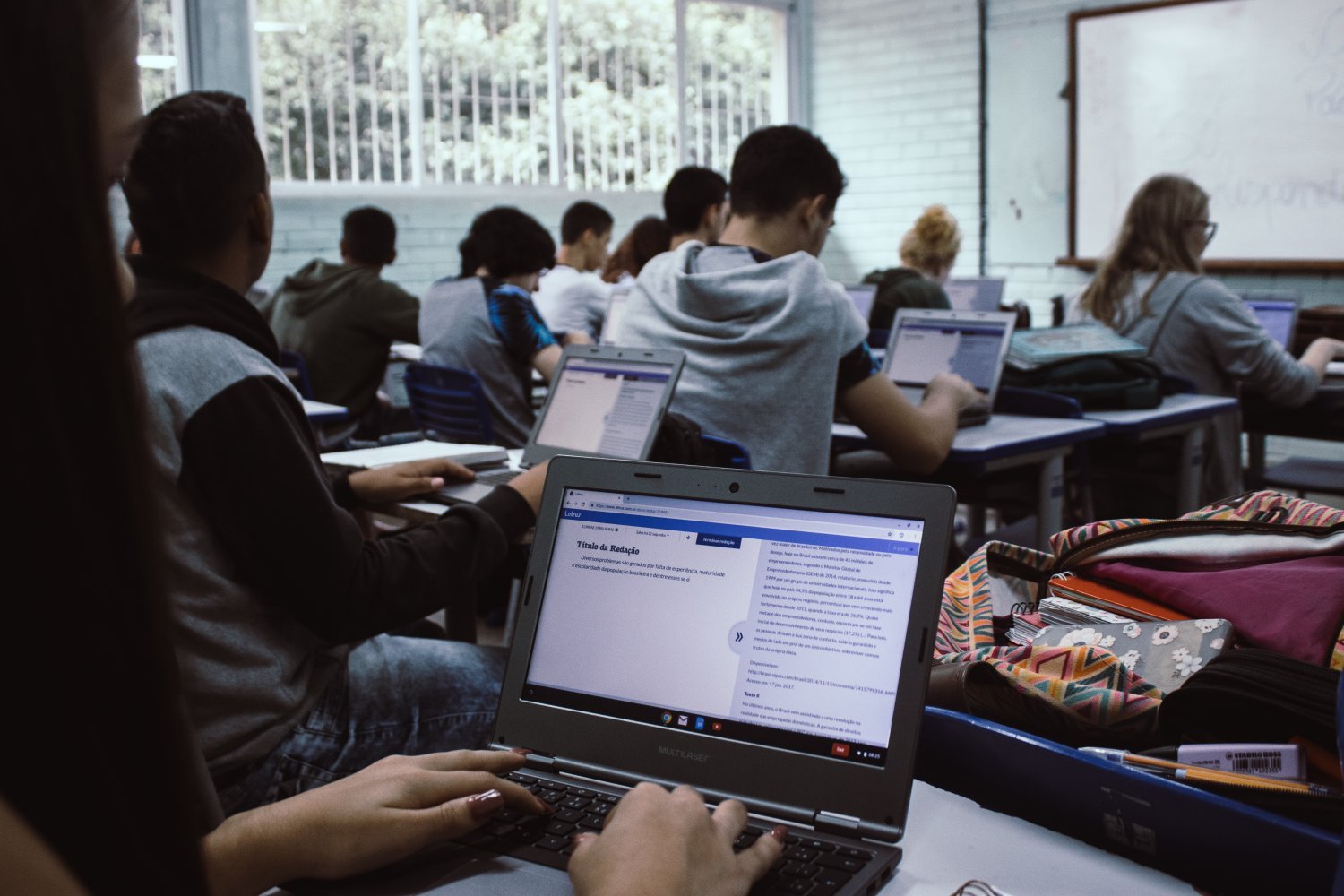
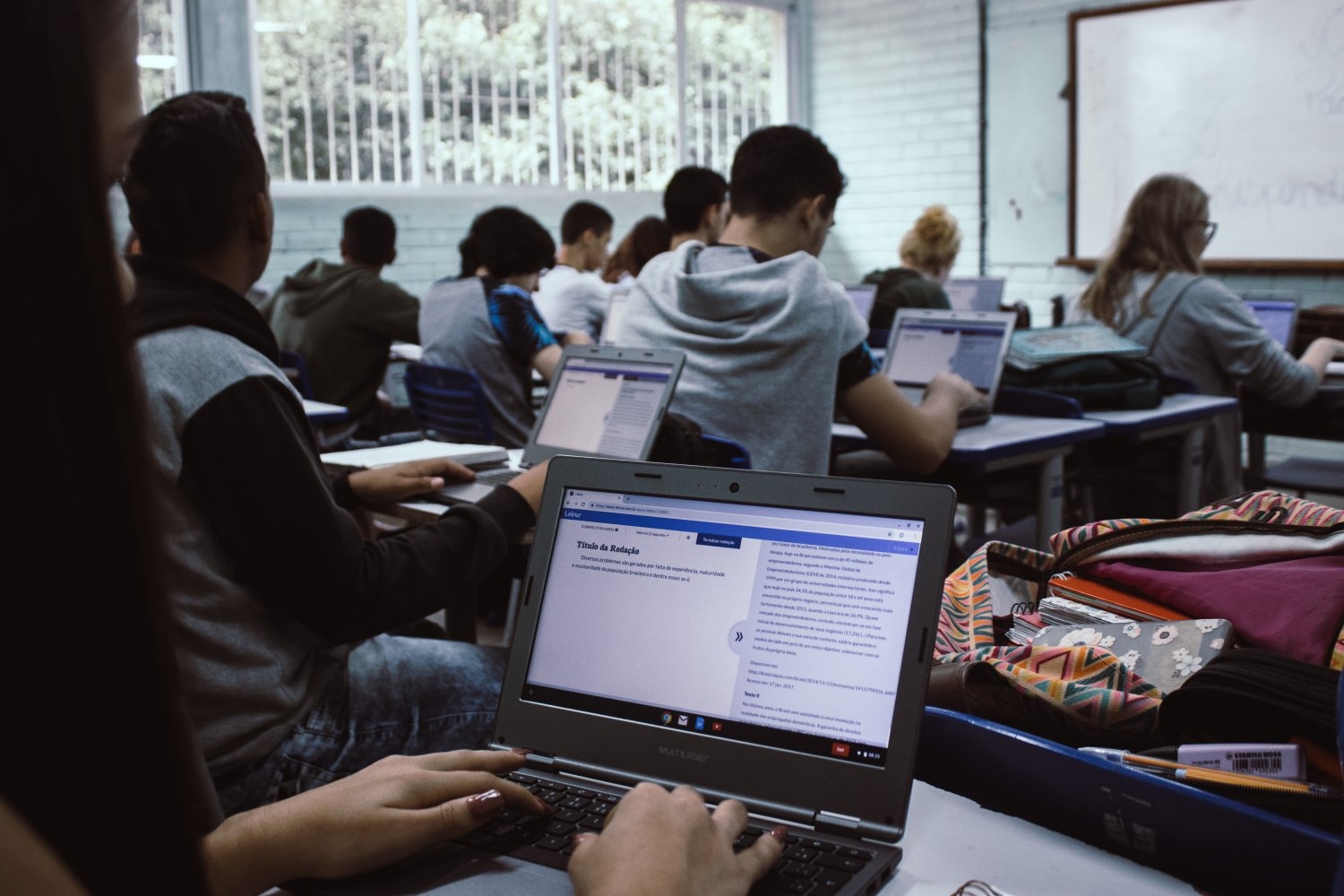
How can AI be most effectively leveraged in the classroom to support both students and teachers?
Existing research shows that personalized learning is important for students, but difficult to implement with limited resources. Kenyan education social enterprise EIDU has developed an AI tool to help teachers identify learning gaps and adapt their daily lesson plans. In India, non-governmental organization (NGO) Pratham is developing AI tools to increase the impact and scale of evidence-based and relevant education approaches. J-PAL researchers Daron Acemoglu, Iqbal Dhaliwal, and Francisco Gallego will work with both organizations to study the impact and potential of these different use cases on teacher productivity and student learning.
Can AI tools reduce gender bias in schools?
Researchers are working with the Italian Ministry of Education to assess whether AI tools can help close the gender gap in student performance by addressing unconscious bias in teachers. J-PAL affiliates Michela Carlana and Will Doby, together with Francesca Miserocchi and Eleonora Pattacchini, will study the impact of the two AI tools. One tool helps teachers predict performance, and the other provides real-time feedback on the diversity of teachers’ decisions.
Can AI help career counselors find more job opportunities?
In Kenya, researchers are assessing whether AI tools can identify overlooked skills and unlock employment opportunities, especially for young people, women, and those without formal education. In collaboration with NGOs Swahilipot and Tabiya, Jasmine Baier and J-PAL researcher Christian Mayer will assess how this tool changes people’s job search strategies and employment. This research will shed light on AI as a complement to, rather than a replacement for, human expertise in career guidance.
I’m looking forward to it
As the use of AI in the social sector evolves, these assessments are the first step to finding effective and responsible solutions that have the greatest impact on alleviating poverty and inequality.
“At J-PAL, we have a long history of valuing innovative technology and its ability to improve people’s lives,” said J-PAL’s Dhaliwal. “AI has incredible potential, but we are committed to maximizing its benefits and minimizing potential harm.” We are grateful to our donors, sponsors, and collaborators for their catalytic support in launching PAIE, which will help us do just that by continuing to expand the evidence on the impact of AI innovation.”
J-PAL is also looking for new collaborators who share our vision of discovering and scaling up real-world AI solutions. We aim to support more governments and social sector organizations that want to deploy AI responsibly, and we will continue to expand funding for new evaluations and provide policy guidance based on the latest research.
To learn more about Project AI Evidence, subscribe to J-PAL’s newsletter or contact us at paie@povertyactionlab.org.